
>>

Learn how to roast a juicy herb-studded turkey without brining or basting. Simple butter rub, aromatic cavity stuffing, and clear timing make this a stress-free centerpiece for any holiday.
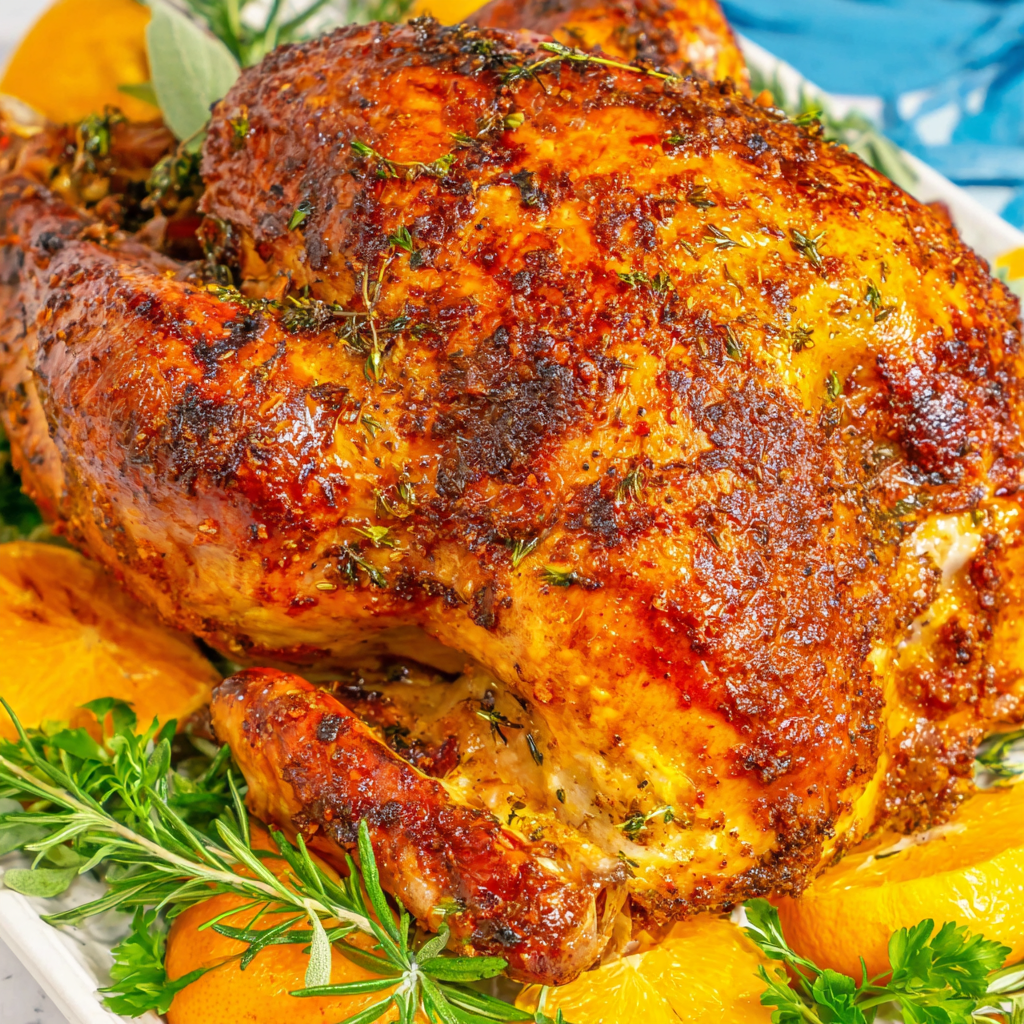
My family reaction the first time I presented this bird was immediate applause and a request to save the recipe. Even guests who usually prefer white meat admitted they loved how juicy the breast was. Over the years I have refined the herb ratios and timing so the technique feels as familiar as a family tradition.
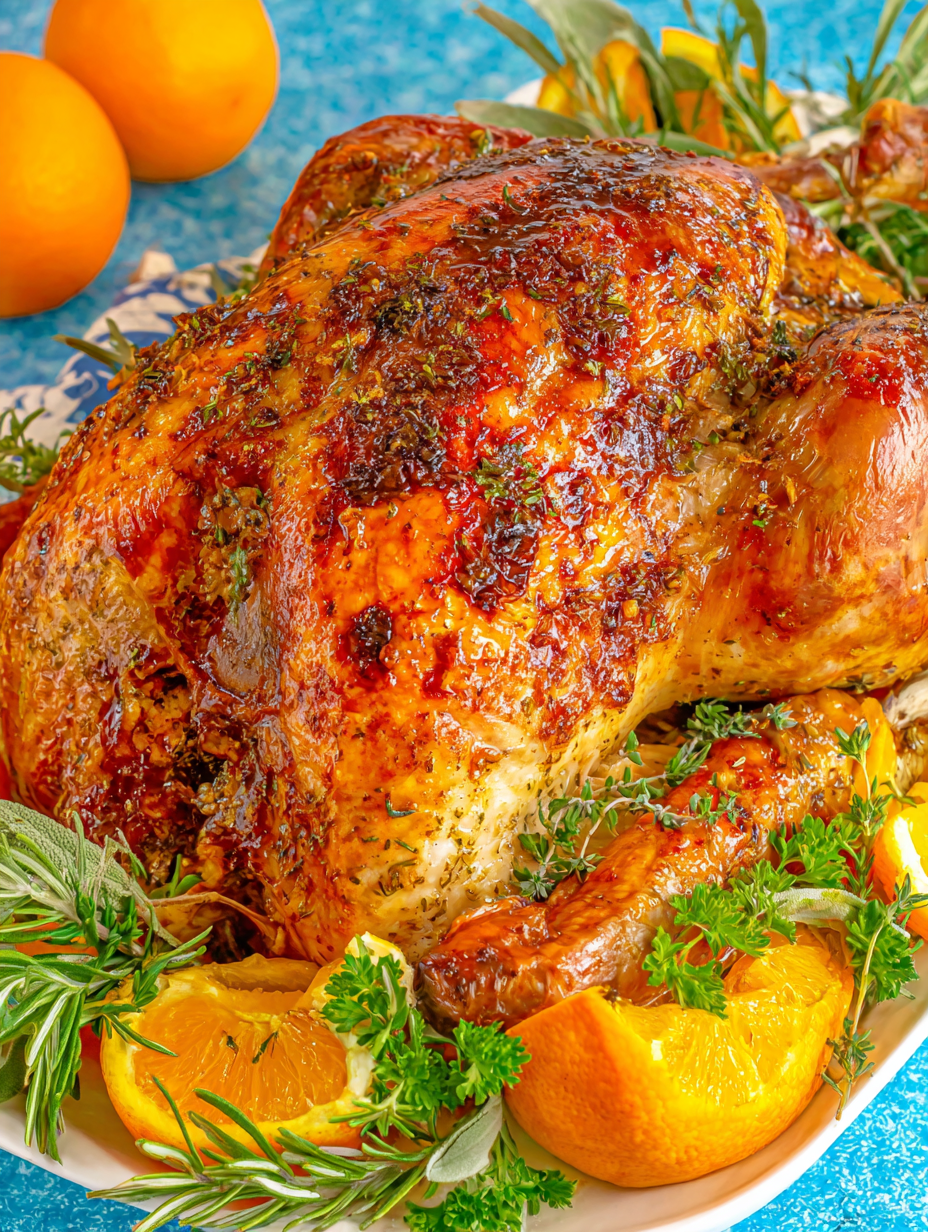
I love how calm this method makes holiday cooking feel. The first time I tested it I had company over for dinner and instead of fussing over the oven I was able to tend to sides and conversation. Guests noticed the citrus and garlic aroma and asked for the recipe the next day.
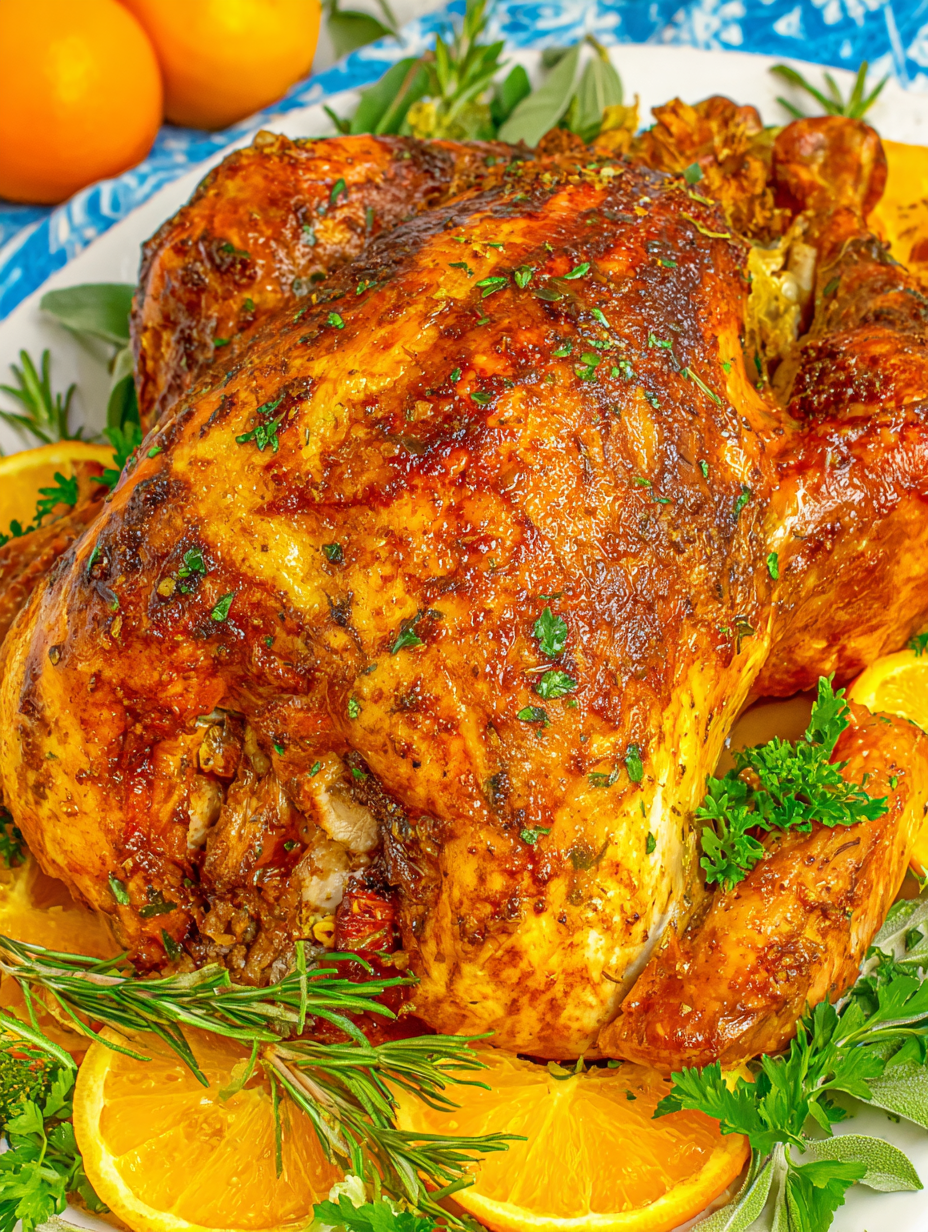
Store cooked turkey in shallow, airtight containers to cool quickly and maintain texture. Refrigerate within two hours of serving. Properly stored leftovers last up to five days in the refrigerator and up to three months in the freezer. When freezing, label portions and remove as much air as possible. To reheat, thaw overnight in the fridge if frozen, then warm gently in a 300 degrees Fahrenheit oven covered with foil until heated through to avoid drying. Sliced portions reheat faster than whole pieces and benefit from a splash of broth to preserve juiciness.
If fresh herbs are unavailable, substitute with dried herbs at a ratio of one third the amount, mixing them into the butter well so they hydrate as it melts. If unsalted butter is not an option, reduce added salt to 2 teaspoons. For a dairy-free alternative, use a high-quality olive oil or vegan butter substitute and rub it under the skin in the same way; the texture will be slightly different but the aromatics still work. Citrus can be swapped; lime offers a brighter edge, and apples add a subtle sweet perfume if citrus is undesired.
Present the turkey on a warm platter garnished with roasted lemon and orange halves, fresh herb sprigs, and roasted root vegetables from the pan. Classic pairings include mashed potatoes with gravy made from the drippings, green beans almondine, and cranberry sauce for balance. For a modern twist serve with a tangy herb yogurt sauce or a pan jus reduced with white wine. Leftover turkey also shines in sandwiches, tacos, and a hearty turkey salad.
Roasting poultry over moderate heat with aromatic herbs is a technique that spans many culinary traditions. The American roasted turkey as a celebratory centerpiece has roots in early American feasts and holiday customs. The herb-lined butter beneath the skin echoes older European practices of seasoning birds internally to maintain moisture. Citrus and bay leaf aromatics are common in coastal and Mediterranean approaches, bringing a bright, herbaceous profile to the classic roast.
In winter, enrich the cavity with winter citrus and dried cranberries for a cozy profile. For spring celebrations use more lemon and thyme plus early greens as a garnish. Holiday versions can include warming spices such as a small pinch of ground allspice in the butter or roasted chestnuts in the roasting pan. For summer, keep the butter herb-forward and pair the turkey with grilled stone fruit and a fresh herb salad to lighten the plate.
One Thanksgiving a friend told me their picky teenager took a second helping and complimented the breast meat for its flavor. Another time my neighbor used the method for a neighborhood potluck, and several people asked for the recipe because the turkey stayed moist even after being transported. Those moments remind me that straightforward technique and quality ingredients consistently win the day.
Make the herb butter a day ahead and keep it chilled. You can also prepare and chop the cavity aromatics in advance. For large gatherings roast the bird in the morning and keep it warm wrapped in foil in a cooler lined with towels to rest. Carve only what you need and refrigerate the remaining carved portions for easier serving later. Reserve drippings for gravy and freeze small portions of sliced meat for quick weeknight meals.
This roast combines ease and tradition, inviting both novice and confident cooks to create a memorable meal. Enjoy the process and make the flavors your own.
Use a digital thermometer and aim for 160 degrees Fahrenheit in the thickest part of the thigh before resting to ensure juiciness and food safety.
Soften butter to room temperature for easier spreading under the skin and to avoid tearing the skin when inserting your hand.
Tent the turkey loosely with foil if the skin is browning too quickly, this will slow browning and allow the interior to finish cooking.
Prepare the herb butter one day ahead and refrigerate to save time on the day of cooking.
This nourishing juicy oven roasted turkey recipe is sure to be a staple in your kitchen. Enjoy every moist, high protein slice — it is perfect for breakfast or as a wholesome snack any time.
This Juicy Oven Roasted Turkey recipe makes perfectly juicy, tender, and flavorful steak every time! Serve with potatoes and a side salad for an unforgettable dinner in under 30 minutes.
Preheat oven to 325 degrees Fahrenheit. Position a rack in a large roasting pan. If using a disposable pan, place a layer of thinly sliced carrots and potatoes under the bird to prevent burning.
Remove giblets and neck from the cavity. Tuck wings underneath to stabilize. Trim loose skin and pat the turkey dry with paper towels to help the butter adhere and promote even browning.
Combine softened butter with salt, black pepper, parsley, thyme, rosemary, oregano, and sage in a medium bowl. Mix until smooth and reserve one third for the exterior rub.
Carefully separate the skin from the breast meat using your hand, working down toward thighs and legs. Place approximately two thirds of the butter mixture under the skin and spread evenly.
Rub the remaining butter mixture over the outside of the turkey skin to encourage browning and flavor the surface.
Place halved garlic, quartered lemon and orange, herb sprigs, parsley, and bay leaves into the cavity. These aromatics will scent the meat and drippings during roasting.
Place the turkey on the lowest oven rack. Roast roughly 13 to 15 minutes per pound and monitor with a digital thermometer. For a 20 pound turkey the time is approximately 4 hours 20 minutes, but timing will vary by oven and bird size.
If the skin browns too fast, tent the bird with foil. Remove when thigh reaches 160 degrees Fahrenheit and let rest in the pan for at least 30 minutes before carving. Save pan drippings for gravy.
Last Step: Please leave a rating and comment letting us know how you liked this recipe! This helps our business to thrive and continue providing free, high-quality recipes for you.
Leave a comment & rating below or tag
@savoryte on social media!
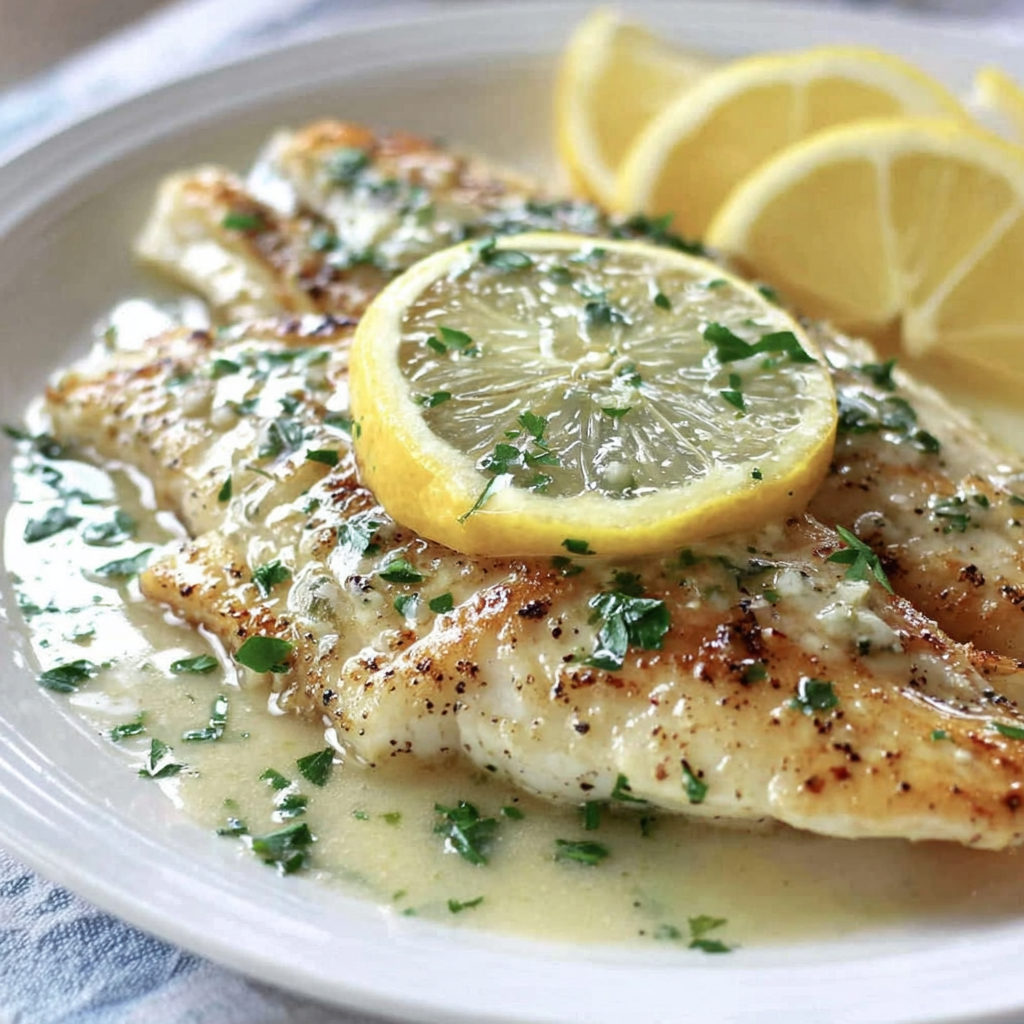
Flaky pan-seared tilapia topped with a velvety lemon butter sauce. Quick to cook, bright with citrus, and weeknight-easy yet dinner-party special.

Start your morning with veggie-loaded, protein-packed egg muffins at just 50 calories each. Perfect for make-ahead breakfasts, freezer-friendly, and easy to customize.

Crispy, cheesy, and ready in minutes, this viral tortilla fold layers bacon, egg, avocado, and melty cheese into a perfectly portable triangle.
Leave a comment & rating below or tag @savoryte on social media!
Enjoyed this recipe? Share it with friends and family, and don't forget to leave a review!
This recipe looks amazing! Can't wait to try it.
Comments are stored locally in your browser. Server comments are displayed alongside your local comments.

Join to receive our email series which contains a round-up of some of our quick and easy family favorite recipes.
